Introduction
Cerebral palsy is a group of disorders that affect movement and posture. Many children and adults with cerebral palsy face daily challenges. However, physiotherapy for cerebral palsy can help improve mobility and quality of life. Early and regular therapy makes a big difference. In this blog, you will learn about the symptoms, benefits, and techniques of physiotherapy for cerebral palsy. You will also find tips for families and what to expect during therapy sessions.
Symptoms and Challenges of Cerebral Palsy
Cerebral palsy affects each person differently. Some may have mild symptoms, while others need more support. Common symptoms include:Stiff or floppy musclesWeakness in arms or legsTrouble with balance and walkingUncontrolled movementsDelays in reaching movement milestones
Because of these symptoms, daily activities can be hard. For example, some children may struggle to sit, stand, or walk. Others may have trouble with tasks like dressing or eating. As a result, families often look for ways to help their loved ones become more independent.
Role of Physiotherapy in Cerebral Palsy Rehabilitation
Physiotherapy for cerebral palsy is a key part of treatment. It helps people move better and manage their symptoms. In fact, the World Health Organization and CDC recommend early therapy for best results. Physiotherapists create a plan based on each person’s needs. They work with families to set goals and track progress. Over time, therapy can help improve strength, balance, and flexibility. It also helps prevent joint problems and pain.
Common Physiotherapy Techniques for Cerebral Palsy
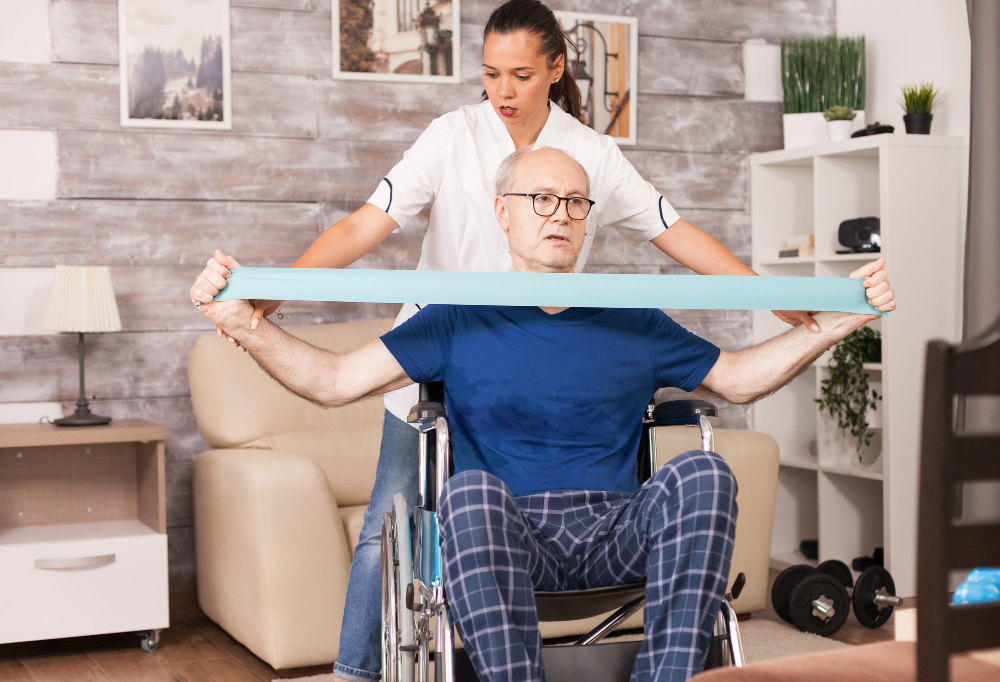
There are many physical therapy techniques for cerebral palsy. Each technique is chosen based on the person’s age, symptoms, and goals. Some common methods include:Stretching exercises: These help keep muscles flexible and reduce stiffness.Strength training: Simple activities build muscle strength and support joints.Balance and coordination exercises: These improve walking and prevent falls.Gait training: Special exercises help with walking patterns and use of mobility aids.Functional training: Practice of daily tasks like sitting, standing, or reaching.Use of equipment: Sometimes, therapists use tools like walkers, braces, or therapy balls.
Because every person is unique, therapists adjust these techniques as needed. They may also teach families how to do some exercises at home.
Benefits of Physiotherapy for Cerebral Palsy
Physiotherapy offers many benefits for people with cerebral palsy. Some of the main advantages include:Improved muscle strength and flexibilityBetter balance and coordinationIncreased independence in daily activitiesReduced risk of joint problems and painEnhanced confidence and social skills
Moreover, regular therapy can help prevent complications as children grow. It also supports families by giving them tools to help their loved ones at home. Studies show that early and ongoing therapy leads to better long-term outcomes.
What to Expect During Physiotherapy Sessions
At the first visit, the physiotherapist will assess movement, strength, and needs. Then, they will create a treatment plan with clear goals. During each session, you can expect:Warm-up and gentle stretchingPractice of specific exercises and activitiesUse of equipment if neededFun games to keep children engagedAdvice for exercises to do at home
Sessions usually last 30 to 60 minutes. Over time, the therapist will adjust the plan as progress is made. Families are encouraged to ask questions and share concerns.
Tips for Families and Caregivers
Families play a big role in cerebral palsy rehabilitation. Here are some helpful tips:Attend therapy sessions and learn the exercisesEncourage regular practice at homeCelebrate small achievementsStay patient and positiveAsk the therapist for advice on daily challengesConnect with support groups for extra help
Because support at home is so important, therapists often teach families how to help safely. This teamwork leads to better results for everyone.
Prevention and Early Intervention
While cerebral palsy cannot always be prevented, early intervention makes a big difference. Starting physiotherapy soon after diagnosis helps children reach their full potential. In addition, regular check-ups can catch problems early. Parents should watch for signs like delayed movement or stiff muscles. If you notice these signs, talk to your doctor right away. Many physiotherapy centers in cities and towns offer early intervention programs.
Conclusion
Physiotherapy for cerebral palsy is a proven way to improve movement and independence. With the right support, people with cerebral palsy can lead active, fulfilling lives. If you have questions or concerns, consult a qualified physiotherapist for personalized guidance on managing cerebral palsy.